The Asian Development Bank (ADB) has approved a $500-million policy-based loan to support the Philippines’ efforts to manage marine ecosystems and develop a resilient, low-carbon blue economy.
ADB said the Marine Ecosystems for Blue Economy Development Program (Subprogram 1) will strengthen the productivity of ocean-based industries, improve the health of coastal areas, and enhance plastic and solid waste management. The initiative also aims to increase investments in natural capital to boost long-term ecological and economic resilience.
“More than half of the Philippine population is dependent on the country’s oceans and rich marine biodiversity for food and livelihoods,” ADB Philippines Country Director Andrew Jeffries said. He added that the program is ADB’s first extensive cross-sector initiative focused on national blue economy development in the region.
In 2024, sectors classified under the blue economy such as fisheries, marine product manufacturing, tourism-related services, shipping, and offshore energy contributed ₱1.01 trillion ($17.17 billion), equivalent to 3.8% of gross domestic product.
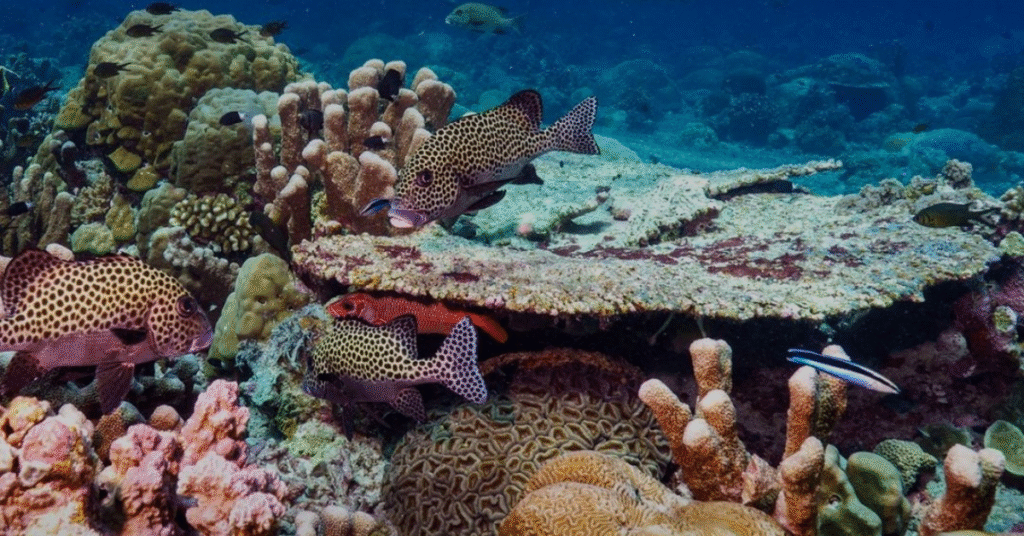
Marine ecosystems in the Philippines continue to face threats from plastic pollution, unsustainable practices, and stronger typhoons.
ADB said the program aligns with the Philippine Development Plan 2023–2028 and supports the government’s National Adaptation Plan 2023–2050 and its climate commitments, with emphasis on nature-based solutions and climate-resilient livelihoods. It builds on the bank’s previous support for watershed management, coastal development, and efforts to reduce marine plastic pollution.
The program also complements ADB’s Climate Change Action Program and the Philippines Flyway Project, which focuses on conserving three priority wetlands: Candaba in Luzon, and Lake Mainit and the Sibugay wetlands in Mindanao.
France’s Agence Française de Développement and Germany’s KfW Development Bank will each provide up to €200 million (about $235 million) in cofinancing for Subprogram 1.
About the Author