The Commission on Filipinos Overseas (CFO) is studying the establishment of localized help desks for children of Filipinos in Japan following a two-day outreach mission in the Kansai region.
The proposed help desks aim to address persistent challenges faced by children of Filipino migrants, including language barriers, difficulty adjusting to school, limited access to social services and mental health support, and issues linked to family and residency status.
The initiative grew out of meetings with the Shiga Intercultural Association for Globalization (SIA) and home visits with Filipino families in Shiga and Kyoto. It reflects the CFO’s broader effort to deepen engagement with overseas Filipinos and aligns with the direction of Secretary Dante “Klink” Ang for more focused and responsive government services for migrant communities.
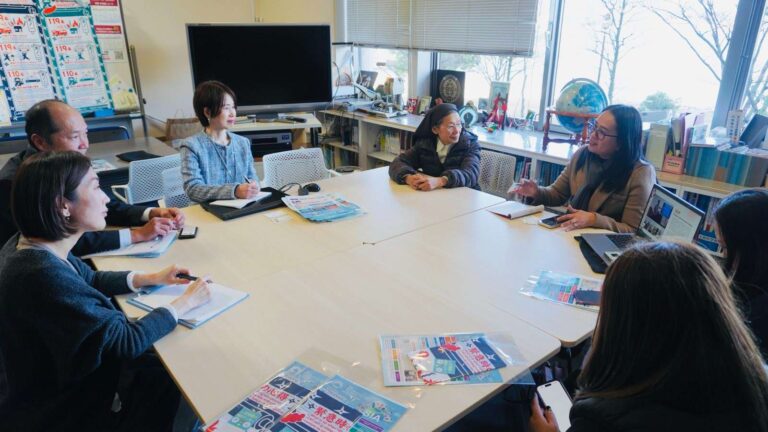
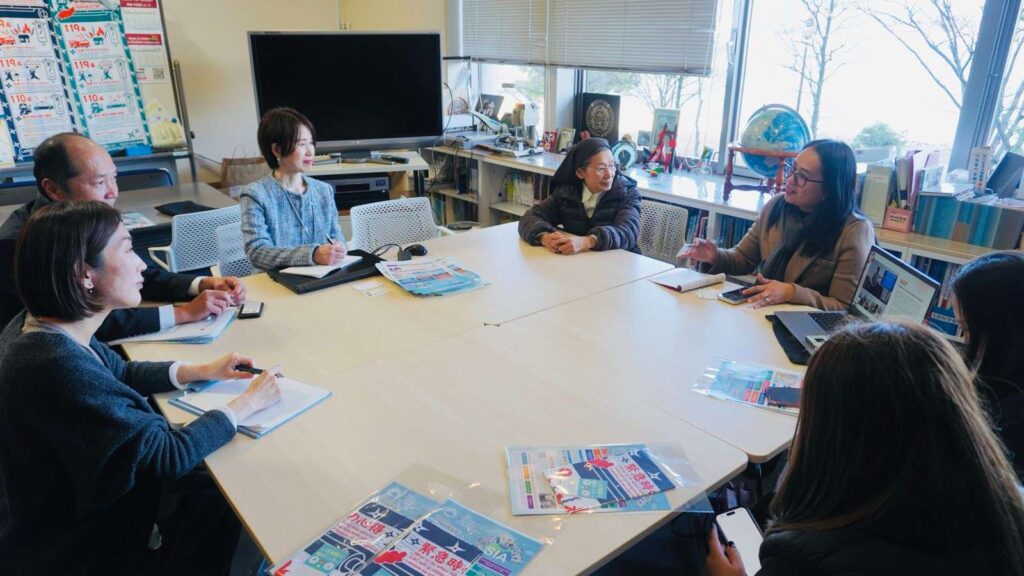
A CFO delegation led by Benilda Pereyra met in Otsu City, Shiga, with SIA Managing Director Tetsuya Umemura and Deputy Secretary General Nobuko Mitsuda to discuss concerns affecting the prefecture’s estimated 3,300 Filipino residents.
SIA officials said their Information Center handles about 1,200 consultations annually, around 200 of which involve Filipinos. Common cases involve family and education concerns, domestic violence, custody disputes, visa and legal status issues, labor problems and academic pressure on students.
SIA also underscored the lack of accessible and culturally appropriate mental health services for foreign residents, citing cases of depression and suicide among migrant families and youth.
The CFO said the discussions highlighted the need for stronger pre-departure orientation programs, improved translation and interpretation services, and closer coordination with local Japanese institutions. The agency also stressed the value of community-based outreach supported by Filipino-speaking volunteers.
Complementing the institutional dialogue, the CFO team conducted home visits with Filipino families in Ishida, Kyoto, including Laura Belisario and Dairyn Sato, both former clients of CFO guidance programs.
The families shared firsthand accounts of life in Japan, pointing to cultural misunderstandings, social stigma and the high cost of Japanese language education as continuing challenges. They also emphasized the crucial role of grassroots support, including Filipino teachers’ associations and faith-based organizations, in assisting vulnerable families, particularly single mothers.
The CFO said information gathered during the outreach will guide further assessment of welfare programs and policy coordination with Philippine and Japanese stakeholders. The findings are expected to inform possible expansion of programs with the Technical Education and Skills Development Authority and the Commission on Higher Education, structured language training initiatives, and clearer policies on visas, taxation and bankruptcy affecting migrant families.
The agency said the planned help desks and related measures are intended to provide more practical, localized support for Filipino children and families as they work toward meaningful integration in their host communities abroad.
About the Author